

Let’s Talk About Your Project
Whether you’re planning a ground-up custom home, a major renovation, or an addition, the first step is a conversation. Tell us what you’re building and where you’re located, and we’ll help you understand next steps and timing.
Share Article
Builder Insights
How Long Does a Whole-Home Remodel Take? (What to Expect)
-
Patti Dunn
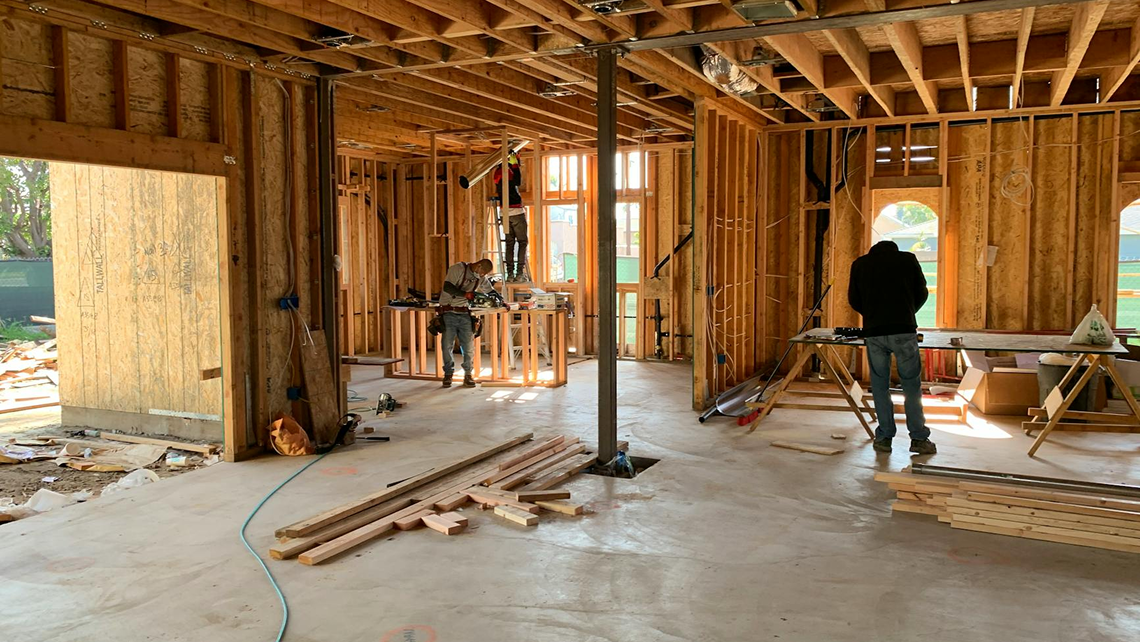
How Long Does a Whole-Home Remodel Take? (What to Expect)
A whole-home remodel is one of the most rewarding ways to improve how a home looks, feels, and functions… but it’s also a major construction project that requires careful planning and coordination. One of the first questions homeowners ask is:
How long will a whole-home remodel take?
The answer depends on the scope, the age of the home, and how many structural and layout changes are involved. But you can plan with confidence when you understand the phases and common timeline drivers.
Below is a clear breakdown of what a whole-home remodel includes, how long it typically takes, and what you can do to keep the project moving smoothly.
What Counts as a “Whole-Home Remodel”?
A whole-home remodel typically means multiple areas of the home are renovated at the same time, often including:
- kitchen remodel
- bathrooms (one or multiple)
- flooring throughout
- lighting and electrical updates
- plumbing updates
- drywall, paint, and interior finishes
- windows and doors (sometimes)
- layout improvements (opening walls, improving flow)
- structural upgrades
- additions or expansions (in some cases)
Some remodels are mostly finish-focused. Others involve major structural changes, full reconfigurations, or expansions. The more trades and moving parts involved, the more planning and coordination the project requires.
Typical Whole-Home Remodel Timeline in Southern California
A reasonable range for most whole-home remodels is:
- Planning + Design: 1–4 months
- Permits + Approvals: 1–4+ months
- Construction: 4–10 months
- Total Start-to-Finish: 6–14+ months
Smaller whole-home renovations may fall closer to 4–6 months of construction. Larger projects with structural work, major layout changes, custom finishes, and long lead materials can take 9–12+ months.
The Typical Phases of a Whole-Home Remodel
A smooth remodel is less about “speed” and more about coordination. Here’s what the phases generally look like:
1) Pre-Construction Planning
This phase defines the roadmap.
- scope confirmation
- design coordination
- budgeting and feasibility
- early material planning
- schedule mapping
This is where the project either becomes organized and predictable… or chaotic later. Good planning here prevents stress during construction.
2) Permitting (When Required)
Permits depend on scope. In Southern California, permits are usually required for:
- structural changes
- electrical and plumbing changes
- window/door changes (sometimes)
- additions
- major layout reconfigurations
If your home is in an HOA-controlled community, you may also need architectural review approvals before permits are issued.
3) Demolition + Framing/Structural Work
This is the “open walls” phase.
- demo
- framing updates
- layout reconfiguration
- structural reinforcements
This stage often reveals conditions behind the walls (common in older homes), which is why good remodels build in flexibility and proper planning.
4) Rough-Ins (MEP)
MEP = Mechanical, Electrical, Plumbing.
This phase includes:
- new plumbing lines
- electrical updates and wiring
- lighting layout
- HVAC adjustments
It’s one of the most important phases for long-term function and comfort.
5) Drywall + Surfaces
- insulation (if needed)
- drywall
- texture
- paint prep
- flooring prep
This is when the home starts feeling “whole” again.
6) Finishes + Installations
This includes:
- cabinetry
- countertops/stone
- tile
- fixtures
- plumbing trim
- doors and hardware
- specialty finishes
This phase can move fast or slow depending on material lead times and custom fabrication schedules.
7) Final Details + Closeout
- final punch list
- final inspections
- final fixture adjustments
- finishing touches that make the home feel complete
This is where craftsmanship stands out. The last 10% matters.
Living in the Home vs Moving Out: What’s Realistic?
This is a big decision, and it affects the timeline and overall experience.
Living in the home during a remodel
It’s possible in some cases, but it depends on scope. Challenges include:
- dust and noise
- limited access to bathrooms
- limited kitchen use
- trades moving through the home daily
- interruptions to routines
Moving out during the remodel
For large-scale whole-home remodels, moving out often makes the project:
- faster
- safer
- easier to coordinate
- less stressful for the homeowner
If the remodel includes multiple bathrooms and kitchen work at the same time, moving out is often the cleaner option.
A middle-ground approach is possible too: remodel in phases so the home remains functional, especially when timelines need to accommodate life schedules.
The Biggest Timeline Driver: Material Lead Times
Even when the jobsite is moving smoothly, materials can slow the project down if they aren’t selected early enough.
The most common culprits:
Custom cabinetry
Often one of the longest lead items.
- design + shop drawings
- manufacturing time
- delivery scheduling
- installation sequencing
Stone countertops
Includes:
- template scheduling
- fabrication
- edge detailing
- install
Windows and doors
Custom sizes, premium manufacturers, and coastal requirements can extend lead times.
Specialty fixtures and finishes
Lighting, plumbing fixtures, imported materials, custom hardware, and specialty appliances can take time, especially if selected late.
A well-run remodel builds these lead times into the plan early so the schedule stays intact.
How to Avoid Delays (What Actually Works)
A whole-home remodel is smoother when decisions are made early and the build sequence is protected.
Here are the biggest ways to prevent unnecessary delays:
Get clear on scope early
Changes happen, but the overall scope should be well-defined before demo begins.
Make finish selections early
Cabinetry, windows, plumbing fixtures, tile, and flooring should be selected early enough to support the schedule.
Build a decision timeline
One of the best tools in remodeling is a “decision calendar.” It prevents stalled progress due to missing selections.
Expect changes, but manage them properly
Changes should be handled through a structured change order process:
- document change
- review impact to budget + schedule
- approve before proceeding
This protects both homeowner and builder and keeps the remodel organized.
Final Thoughts: What Timeline Should You Expect?
Most whole-home remodels take:
- 4–10 months of construction
- plus
- planning + permits (when required)
If your remodel includes major structural work, layout changes, custom finishes, or an addition, plan for the longer end of that range.
The best remodels aren’t rushed. They’re planned properly, executed with care, and finished the right way.
Thinking About a Whole-Home Remodel? Let’s Talk.
If you’re considering a full renovation and have a timeline in mind, we’re happy to talk through scope, feasibility, and the best way to plan your project.
Let’s Talk About Your Project
Whether you’re planning a ground-up custom home, a major renovation, or an addition, the first step is a conversation. Tell us what you’re building and where you’re located, and we’ll help you understand next steps and timing.

Custom Homes, Remodels & Project Oversight in Southern California.
Licensed General Contractor, CA #B-560290
$2,000,000 General Liability Coverage
35+ Years Experience
Service Areas
© 2026 All rights reserved