

Let’s Talk About Your Project
Whether you’re planning a ground-up custom home, a major renovation, or an addition, the first step is a conversation. Tell us what you’re building and where you’re located, and we’ll help you understand next steps and timing.
Share Article
Builder Insights
How Long Does It Take to Build a Custom Home in Southern California?
-
Patti Dunn
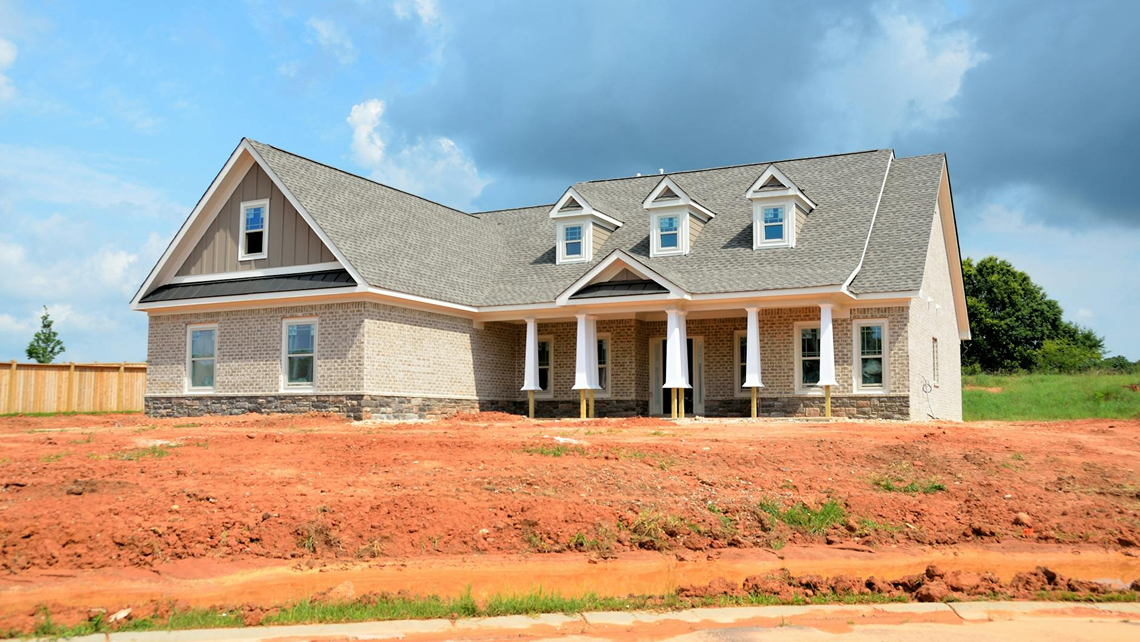
How Long Does It Take to Build a Custom Home in Southern California?
Building a custom home is exciting… but it’s also a major project with a lot of moving parts. One of the first questions homeowners ask is simple:
How long is this going to take?
The honest answer is that timelines vary. A well-planned project can move smoothly. A rushed project (or one that starts without a clear plan) often hits delays.
Below is a clear breakdown of what impacts the timeline for a custom home build in Southern California, what to expect from start to finish, and how to keep things moving.
Typical Timeline for a Custom Home in Southern California
Most custom home builds fall into this general range:
- Planning + Design: 3–8 months
- Permits + Approvals: 2–8+ months
- Construction: 12–20 months
- Total Start-to-Finish: 17–36 months is a realistic range for many projects
Some projects are shorter, especially when plans are already complete and approvals are straightforward. Others take longer due to engineering needs, hillside conditions, or HOA and coastal regulations.
The 2 Phases That Make Up the Timeline
A custom home timeline is really made up of two main phases:
1) Pre-Construction (Planning, Design, Engineering)
This includes:
- Defining scope and goals
- Architectural design and revisions
- Engineering (structural, soils/geo, etc.)
- Budgeting and feasibility checks
This phase matters more than people expect. When this part is done correctly, construction feels far more organized and predictable.
2) Construction (Building the Home)
This includes:
- Site prep and groundwork
- Foundations and structural framing
- MEP rough-ins (mechanical, electrical, plumbing)
- Insulation and drywall
- Finishes (cabinetry, tile, stone, paint, fixtures)
- Final inspections + closeout
What Impacts Timing the Most?
Permits and approvals
Permitting is one of the biggest reasons timelines shift.
Different cities have different requirements, and certain projects require extra review or documentation. If changes are requested by the city, the cycle repeats and can add weeks or months.
Design complexity
The more custom the build, the more coordination required across:
- Framing
- Structural engineering
- Specialty materials and finishes
- Custom fabrication
Complex projects are not a problem… they just need planning and steady leadership.
Site conditions (especially hillsides)
Southern California has many properties with unique challenges:
- Hillside lots
- Restricted access
- Grading and drainage requirements
- Specialty foundation solutions (like caissons)
These aren’t deal-breakers, but they do affect planning, engineering, and construction sequencing.
Materials and lead times
Certain selections can add time, especially:
- Custom cabinetry
- Stone fabrication
- Specialty windows/doors
- Imported fixtures
- Custom metalwork
One common mistake is making key finish selections too late. That can create gaps in scheduling even when the jobsite is ready to move forward.
Coastal and HOA Review: The Extra Layer
If you’re building in coastal areas or HOA-regulated communities, the timeline can be impacted by:
- architectural review boards
- stricter building requirements
- height restrictions and view-protection guidelines
- coastal planning approvals
- documentation standards and design revisions
Communities like Newport Coast and surrounding areas often require extra coordination and approval steps before construction can even begin.
The best way to avoid delays here is simple: build the approvals timeline into the plan from day one, rather than treating it as a quick checkpoint.
How to Keep a Custom Home Build Moving (Without Rushing It)
A smooth project isn’t about moving fast at all costs. It’s about preventing avoidable setbacks.
Here’s what helps most:
Get builder involvement early
If the builder is included during planning, it helps align:
- Scope and budget
- Feasibility and engineering requirements
- Schedule planning (including real lead times)
It also reduces redesigns and prevents plans that look great on paper but create issues during execution.
Make decisions earlier than you think
The biggest schedule killers tend to be:
- Waiting on finish selections
- Delayed design decisions
- Late changes once construction has started
A clear decision schedule keeps trades moving, prevents downtime, and reduces change orders.
Expect changes, but manage them properly
Changes happen in custom construction. The key is to manage them through a clear change order process:
- Document the change
- Understand impact to timeline + budget
- Approve before work proceeds
That structure keeps the project organized.
Coastal and HOA Review: The Extra Layer
If you’re planning a custom home in Southern California, it’s safest to assume:
12–18 months of construction + several months of planning and approvals up front
Most homeowners are surprised by how much time happens before the first day on the jobsite, but that planning phase is what sets the build up for success.
Have a Timeline in Mind? Let’s Talk.
If you’re working around a specific move-in date, school schedule, travel plans, or life event, it’s best to discuss it early. In many cases, the project can be planned in a way that supports your timeline, as long as expectations and approvals are mapped out up front.
Let’s Talk About Your Project
Whether you’re planning a ground-up custom home, a major renovation, or an addition, the first step is a conversation. Tell us what you’re building and where you’re located, and we’ll help you understand next steps and timing.

Custom Homes, Remodels & Project Oversight in Southern California.
Licensed General Contractor, CA #B-560290
$2,000,000 General Liability Coverage
35+ Years Experience
Service Areas
© 2026 All rights reserved