

Let’s Talk About Your Project
Whether you’re planning a ground-up custom home, a major renovation, or an addition, the first step is a conversation. Tell us what you’re building and where you’re located, and we’ll help you understand next steps and timing.
Share Article
Builder Insights
Home Additions in Orange County: What to Consider Before Expanding
-
Patti Dunn
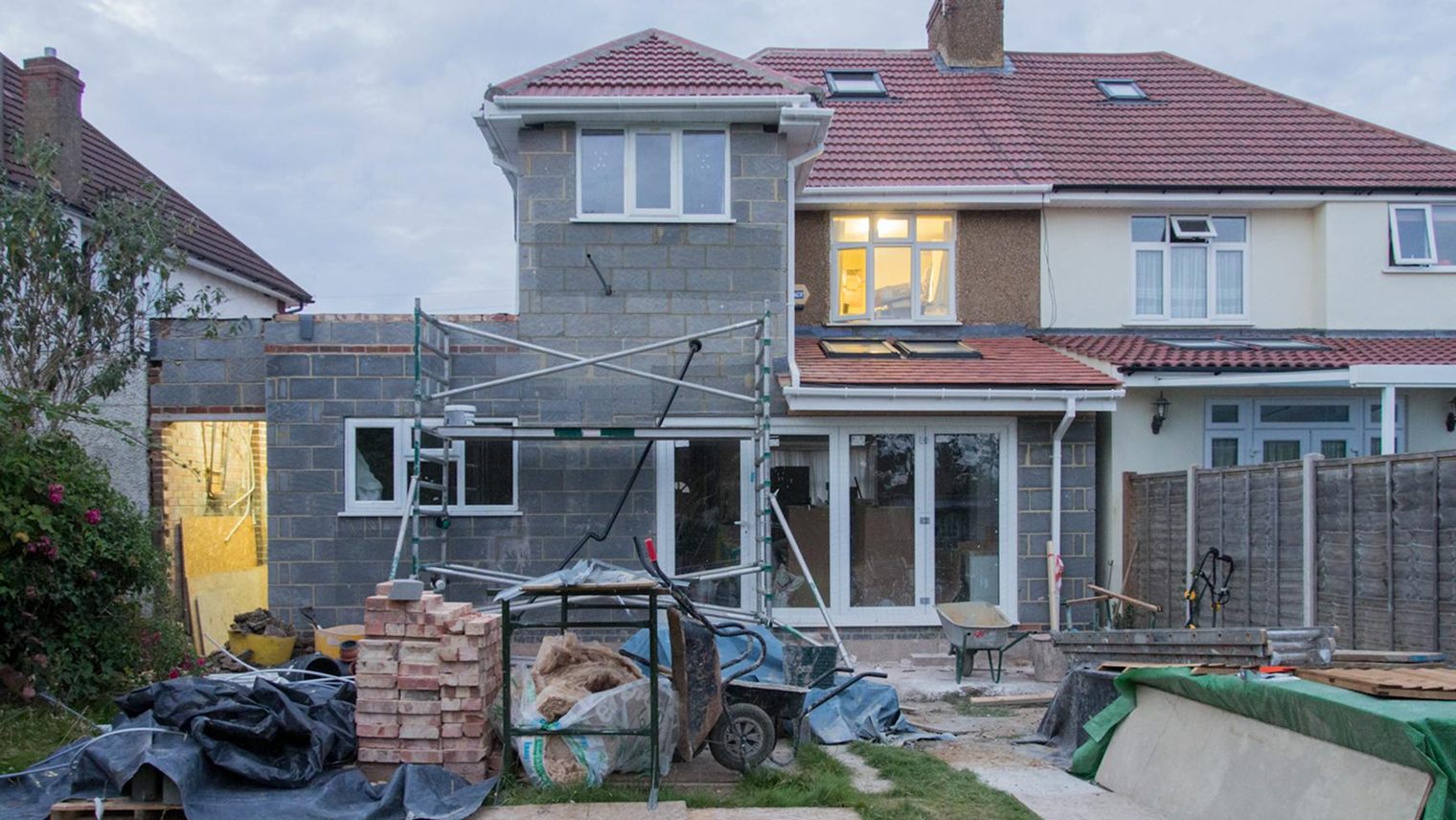
Home Additions in Orange County: What to Consider Before Expanding
A home addition can completely change how your home feels and functions. More space. Better flow. A layout that fits your life today… without needing to move.
In Orange County, additions are also one of the most common types of major construction projects, especially in coastal communities where homeowners want to:
- expand living space
- improve indoor-outdoor living
- add bedrooms or guest suites
- create a larger primary suite
- add a second story
- modernize the layout and structure
But an addition isn’t just “building more square footage.” The best additions feel seamless, intentional, and structurally integrated into the home.
Here are the biggest things homeowners should consider before starting a home addition in Orange County.
What Counts as a Home Addition?
Additions can range from simple expansions to major transformations. Common addition types include:
Rear or side addition
Expands living, kitchen, or dining space and improves flow.
Primary suite expansion
Adds a larger bedroom footprint plus bathroom and closet upgrades.
Second-story addition
Adds significant space without changing lot coverage (but adds complexity and review requirements).
Detached structures (in some cases)
Depending on zoning and scope, some homeowners add detached offices, studios, or guest spaces.
No matter the type, the goal should be the same: an addition that looks and feels like it has always belonged to the home.
1) Design and Flow Matter More Than Square Footage
One of the biggest mistakes homeowners make is thinking in terms of “how much space” instead of “how the home will live.”
Great additions:
- improve natural light
- create better circulation and flow
- connect indoor and outdoor living naturally
- match the character and architecture of the home
In coastal Orange County communities, this matters even more. The home should feel cohesive… not like it has been patched together over time.
2) Structural Planning Is Not Optional
Additions aren’t just cosmetic. They often require real structural coordination, such as:
- foundation extensions
- framing tie-ins
- roofline rework
- load path and shear requirements
- beam planning for open layouts
For older homes, structural upgrades may also be required to meet current standards.
If you’re considering a second story, structural planning becomes even more important, because the existing foundation and framing must support the added load.
3) Permits and HOA Approvals Can Impact Timeline
In Orange County, permits are typically required for most additions.
And in many neighborhoods, especially higher-end communities, HOA architectural review can play a major role.
Depending on location, additions may involve:
- HOA architectural approval
- exterior design review
- height restrictions and roofline rules
- setback requirements
- neighborhood character standards
- view protection guidelines (in certain communities)
In places like Newport Beach, Corona del Mar, and Newport Coast, these requirements are common, and they should be treated as a core part of the timeline… not an afterthought.
4) Matching Finishes and Architecture Is Where Quality Shows
An addition should look intentional. Not like a separate project.
That comes down to details like:
- roofline integration
- exterior material matching
- window and door proportions
- trim and finish transitions
- flooring continuity
- consistent ceiling heights and lighting design
In high-end homes, the difference is always in the details. The best additions feel seamless structurally, architecturally, and visually.
5) Timeline: How Long Does a Home Addition Take?
Timelines vary, but most Orange County additions fall into this general range:
- Planning + Design: 1–4 months
- Permits + Approvals: 1–4+ months
- Construction: 4–8+ months
- Total: 6–12+ months depending on complexity
Second-story additions or additions involving major reconfiguration often land on the longer end of this range.
6) Living in the Home During an Addition (What to Expect)
Whether you can live in the home depends on:
- where the addition is located
- whether the kitchen is affected
- how many bathrooms are impacted
- whether utilities need to be temporarily shut down
- how much demolition or structural work is involved
In some cases, homeowners can remain in the home with limited disruption. In other cases, it makes more sense to move out temporarily to protect schedule and reduce stress.
A phased approach is also possible for certain projects, especially when the home needs to remain functional.
7) Materials and Lead Times Can Create Delays
Even if construction is moving smoothly, the project can slow down if materials are not selected early.
Common long-lead items include:
- custom cabinetry
- windows and doors
- stone and specialty countertops
- tile and specialty finishes
- custom hardware and fixtures
A structured decision schedule is one of the best ways to prevent a project from stalling mid-stream.
How to Avoid Delays on an Addition
Here’s what actually works:
Plan early
The earlier planning starts, the easier it is to align:
- scope
- approvals
- budget
- scheduling
Bring the builder in early
Builder involvement during planning prevents:
- unrealistic design decisions
- avoidable structural surprises
- delays from missing lead-time items
Confirm approvals and restrictions early
If your home is in an HOA or coastal area, it’s important to understand design requirements and restrictions upfront.
Use a clear change order process
Additions almost always evolve during construction. Changes should be documented through a structured change order process so costs and timeline remain clear.
The Bottom Line
A home addition can be one of the best investments you make, especially in Orange County.
But the best additions aren’t only about adding space.
They’re about:
- thoughtful design
- correct structural planning
- seamless architecture
- organized execution
- craftsmanship that holds up over time
Planning a Home Addition in Orange County? Let’s Talk.
If you’re considering an addition or expansion and want guidance on feasibility, timeline, and the best next step, we’re happy to help.
Let’s Talk About Your Project
Whether you’re planning a ground-up custom home, a major renovation, or an addition, the first step is a conversation. Tell us what you’re building and where you’re located, and we’ll help you understand next steps and timing.

Custom Homes, Remodels & Project Oversight in Southern California.
Licensed General Contractor, CA #B-560290
$2,000,000 General Liability Coverage
35+ Years Experience
Service Areas
© 2026 All rights reserved